
Artificial intelligence is no longer a software story—it is an infrastructure story
1. GPU leasing prices are skyrocketing
- Demand for A100 GPUs (released in 2020) remains so high that prices have surged to levels typically seen for cutting-edge hardware.
- H100s, launched in 2022, have seen leasing rates rise again in recent months, despite broader tech market volatility.
- Unlike ASICs—which have no resale value—GPUs maintain a strong secondary market valuation, signalling severe supply scarcity.
This dynamic reflects a market where hardware ages faster than ever while becoming more expensive than ever.
2. Compute scarcity is driving unsustainable cost structures
AI companies across all verticals are competing for the same limited resource: compute.
But compute inflation is rising faster than AI-generated revenues, creating a widening gap between:
- operational costs
- monetization capacity
- investor expectations
This imbalance is the hallmark of a bubble.
SOFR, Interest Rates, and the Cost of Money: Fuel for a Potential Meltdown
The AI boom has unfolded in an economic environment where:
- the SOFR rate (the benchmark cost of USD funding) is at multi-decade highs
- the Federal Reserve maintains restrictive monetary policy
- liquidity conditions remain tight across credit markets
This is not the backdrop in which capital-intensive technology usually thrives.
High SOFR = Higher financing costs for AI infrastructure
AI companies rely heavily on:
- long-duration financing
- leasing agreements
- venture capital with deep balance sheets
- high-capex data center expansion
When the cost of capital rises, these business models weaken.
AI growth has been fuelled by cheap money—but cheap money has evaporated
From 2010 to 2021, near-zero rates created a decade of distortion:
- growth at any cost was rewarded
- capex was inexpensive
- risk premiums collapsed
Today, the opposite is happening:
- risk premiums rising
- credit spreads widening
- refinancing pressure growing
The question is no longer if the AI sector will feel the macro shock, but when.
Inflation and Recession: Two Macro Winds Colliding with the AI Boom
Inflation is compressing margins
Energy, hardware, and labour—three pillars of AI infrastructure—have seen inflation far above historical averages.
Data centers in particular face:
- soaring electricity prices
- rising cooling costs
- increased environmental compliance pressures
Margins shrink as operational costs rise, making AI compute inflation a structural challenge.
Global recession risks amplify the fragility
Many indicators are flashing red:
- inverted yield curves
- declining PMIs
- slowing consumer demand
- weakened global trade flows
If a recession materializes, capital-intensive sectors like AI typically suffer first and hardest.
A Market in the Making: The First Signs of an AI Correction
Taken together, these forces create a highly unstable equilibrium:
👉 hardware shortages
👉 rapidly rising cost of capital
👉 margin compression
👉 tight liquidity
👉 unsustainable expectations
The early cracks are already visible:
- GPU prices disconnecting from real economic value
- speculative investment in agentic AI start-ups
- inflated valuation multiples across the sector
- revenue models still unproven at scale
This is the anatomy of a bubble.
Not a technological bubble—but a financial one.
Beyond the Volatility: A Historic Transition Toward an Intelligence-Driven Economy
Despite the risks, the broader trajectory is irreversible.
Artificial intelligence—especially agentic systems and advanced cognitive architectures—will reshape:
- global productivity
- corporate structures
- labour markets
- financial systems
- geopolitical balances
The volatility we see today is part of a larger transition toward an economy where intelligence—not information—is the primary driver of value creation.
Understanding this transition is no longer optional.
It is a strategic necessity.
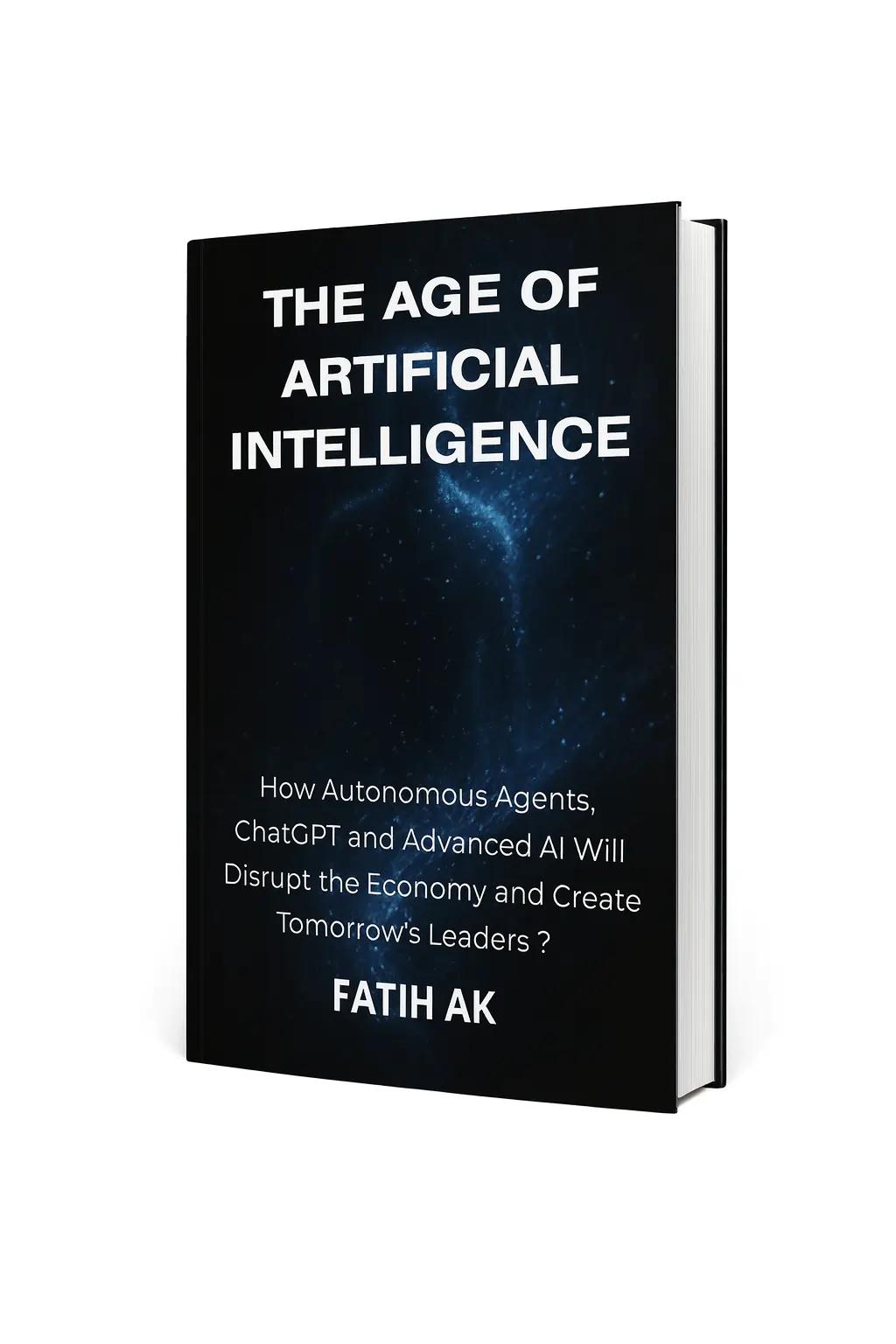
To Go Deeper: Discover The Age of Artificial Intelligences
The Age of Artificial Intelligences: How Autonomous Agents, ChatGPT, and Advanced AI Will Reshape the Economy and Create Tomorrow’s Dominant Players
by Fatih AK
In this book, you will learn:
- why compute scarcity is structural
- how agentic AI changes economic models
- the key signals of an imminent “AI crash”
- where the true long-term investment opportunities lie
- how to anticipate the next wave of AI transformation
Get the book here
If you want to understand—not just observe—the greatest technological and financial shift since the Industrial Revolution, this book is essential reading.






0 Comments