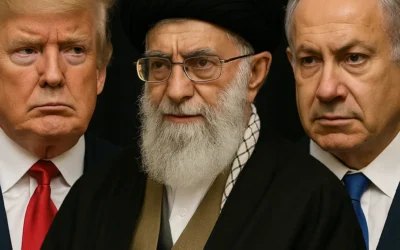
Is the U.S. reacting to Iran for security… or to defend the dollar? This article breaks down how rising conflict in the Middle East—especially around Iran and the Strait of Hormuz—can trigger a financial chain reaction: investors flee to U.S. Treasuries, oil prices spike, and the dollar gains strength. Learn which industries are hit hardest, which ones benefit, and why the Fed may see this chaos as a strategic opening to cut interest rates. #Geopolitics #USDollar #MiddleEastCrisis #OilMarkets #StraitOfHormuz #Finance #FederalReserve #BRICS #Petrodollar #DeDollarization #InvestmentStrategy
Master the Best Investment Strategies: Educational Insights and Expert Tips
Brussels Targets Russian Funds in Bold New Ukraine Investment Plan
In a decisive move to bolster support for Ukraine amid its ongoing conflict with Russia, the European Union (EU) has unveiled an audacious plan to redirect profits from...
France’s 2025 Property Tax Rules: What You Need to Know?
Owning property in France? The 2025 tax rules bring changes for residents and non-residents. From new declarations to short-term rental laws, these updates affect your...
Inflation vs Growth: What Putin’s Compromise Means for Global Markets
In recent months, Vladimir Putin has faced a difficult economic challenge: balancing inflation control with the need for economic growth. As the Russian economy...
Israel’s Booming Economy Amidst Ongoing War: What You Need to Know
In 2025, Israel faces unprecedented geopolitical challenges, with ongoing conflicts involving Hamas, Hezbollah, and Iran. Yet, amidst rockets, reservist call-ups, and...
World Bank’s Latest Warning: Are Developing Countries Hiding Their Debt?
The World Bank has raised a serious concern: developing countries are hiding their debt. This lack of transparency in debt reporting could pose significant risks to...